Why and how should writers use AI as an assistant
You really should use an AI writing assistant!
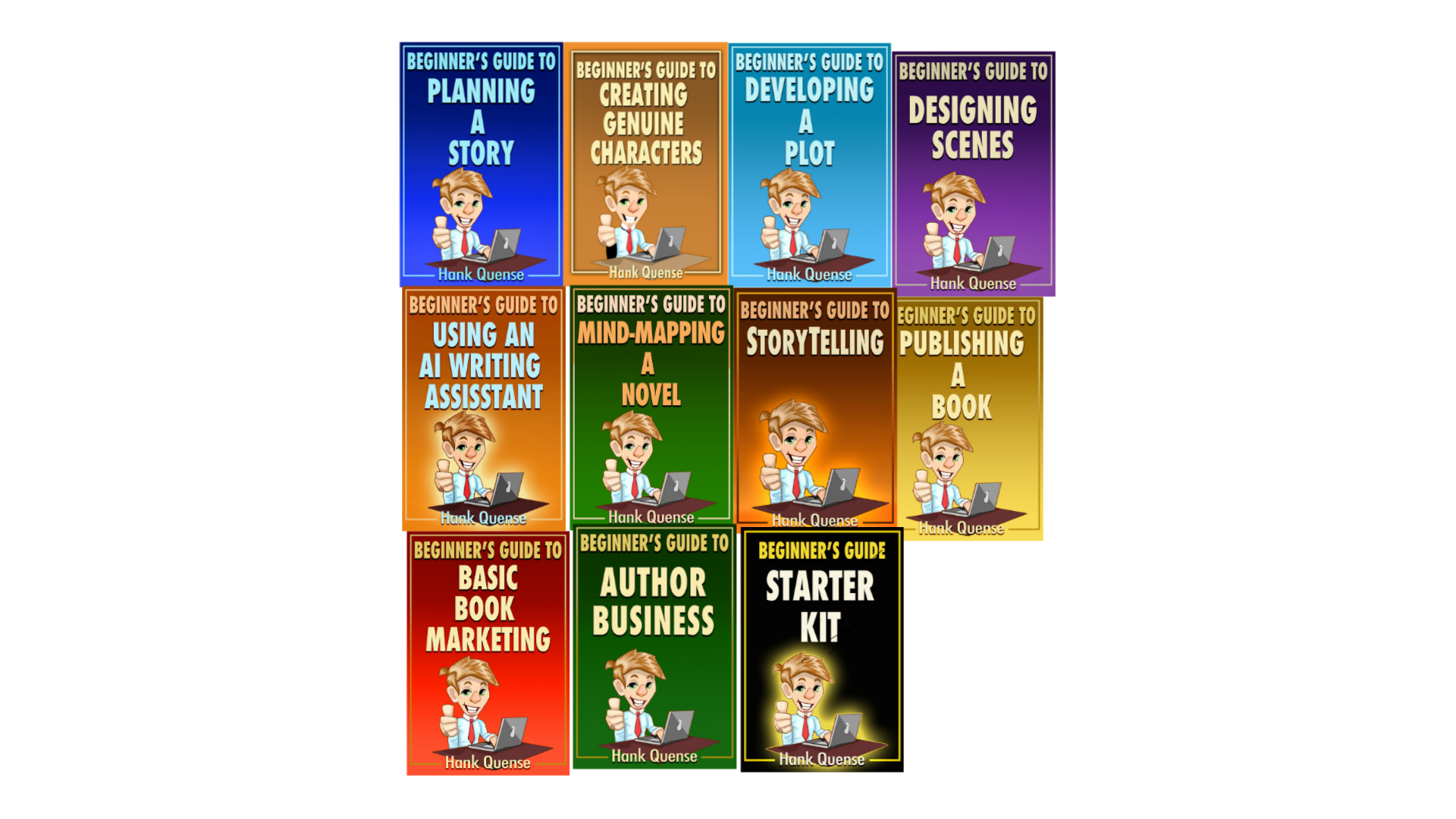
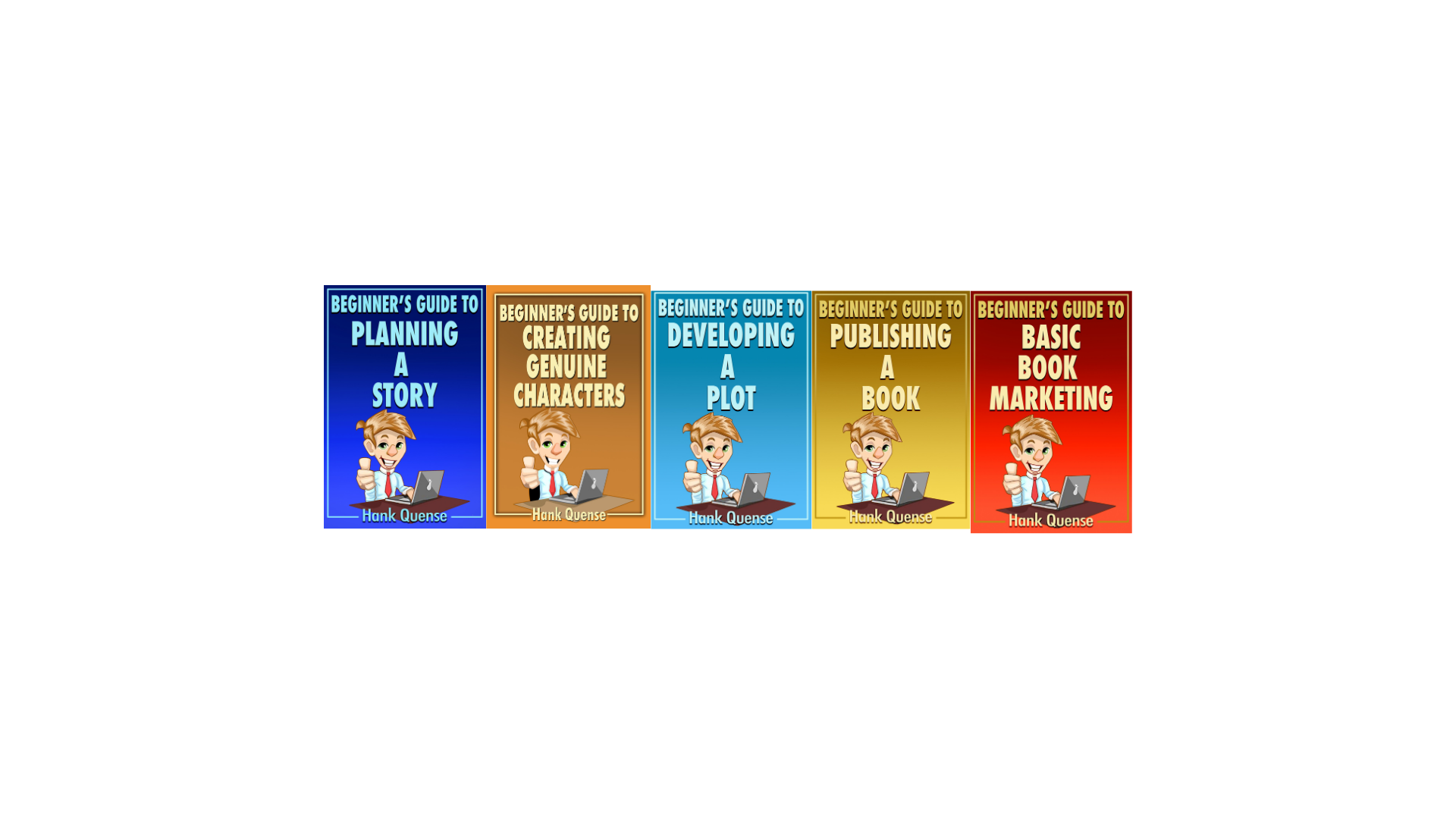
Author Note: I uploaded my books and articles on using AI as a writing assistant into Recall, a knowledge app and research tool with an AI feature. I asked that AI to summarize everything into one piece. What follows is that summary, lightly edited by me. Consider it Exhibit A for the whole argument about AI writing assistants — I used AI to condense my own writing about using AI.
Writers should use AI as a tireless, literal assistant to offload "donkey work," allowing them to focus more on the creative aspects of their stories . By treating AI as a "writing buddy" or a highly efficient intern, writers can enhance productivity, overcome creative blocks, and streamline the research and editing process.
Why Writers Should Use AI Assistants
- Efficiency and Productivity: AI can rapidly generate ideas, outlines, and research reports, saving significant time.
- Overcoming Writer's Block: It provides continuous prompts and lists of ideas that can "shove your brain into gear" when you are stuck .
- Enhanced Research: AI can scan vast amounts of data, summarize main points, and organize facts into instant reports.
- Objective Feedback: You can instruct AI to act as a "brutal" editor or a specific persona (like a Cold War-era Russian judge) to get exacting feedback on your work.
How to Use AI Effectively
The key to successful AI collaboration is moving beyond "amateur" generic queries to specific, professional prompts
1. Brainstorming and Development
- Story Elements: Use AI to generate book ideas, plotlines, and "What-If" scenarios.
- Character Building: Query AI about famous characters to identify traits you can adapt for your own unique characters . For example, asking "What makes Ted Lasso a great character?" can provide a detailed list of traits to draw from.
- World Building: Use digital "spaces" to organize research, notes, and drafts in one place, then ask the AI to summarize specific elements like fantasy tropes or world-building notes.
2. Advanced Prompting Techniques
- Role-Based Prompting: Assign the AI a specific role, such as an "experienced marketing strategist" or a "developmental editor," and provide clear constraints and formatting requirements.
- Reverse Prompting: Ask the AI to tell you what information it needs before it starts a task. This prevents the model from making up facts or numbers.
- Iterative Feedback: Engage in a feedback loop where you continuously refine ideas based on the AI's suggestions.
3. Editing and Revision
- Concise Queries: Use simple instructions like "Edit the following piece: " or "Highlight your changes" to see exactly what was modified.
- Style Adjustments: Ask the AI to rewrite sections in a different style or spot inconsistencies in your manuscript.
Critical Drawbacks and Risks
- Lack of Originality: AI-generated content can be formulaic and predictable because it relies on existing patterns . It often lacks the unique emotional depth and "creative spark" of human writing.
- The "Generic" Trap: Generic queries produce generic responses that contain information you likely already know.
- Accuracy Issues: AI can produce factual errors or nonsensical content, especially with complex subjects .
- Loss of Voice: Over-reliance can lead to "insipid stories" with repetitive sentence structures that turn off readers.
The Writer's Responsibility
You must remain the final editor, picking and choosing what to use from AI responses while discarding the rest. To keep your work human, use surprising language, personal details from your own life, and unique turns of phrase that AI cannot easily replicate.
Beginner's Guide Starter Kit: free download.
Recent Posts