Plan your story before writing the first page
Write Your First Book With Confidence
Every published book begins with a single idea.
The challenge isn't finding inspiration—it's knowing what to do next.
The Beginner's Guide Series gives you practical guidance, worksheets, checklists, diagrams, and AI-ready prompts to help you move confidently from idea to finished manuscript.
Forget overwhelming theory. Learn a writing process that actually works.

Build believable characters and compelling plots
Learn publishing without getting overwhelmed
Practical checklists, worksheets & AI prompts
A simple writing system designed for real authors
Get your free copy of the Beginner's Guide Starter Kit
Grab a copy!
Thank you for contacting us.
We will get back to you as soon as possible.
We will get back to you as soon as possible.
Oops, there was an error sending your message.
Please try again later.
Please try again later.
How the series works
One job per book. Ten jobs, total.
No 400-page theory tomes, no contradictory advice, no social-media "hacks" that sell exactly zero books — just one compact, practical guide per problem.
Read it in one night. Apply the lessons learned the next day!
Each guide tackles one problem and actually stays on topic
What’s Inside the Series
How to turn a vague “I should write a book” into a real plan, from story idea and characters through ending, with diagrams and examples that show you where AI can help and where it absolutely shouldn’t touch your story.
Character worksheets, AI query examples, and real-world guidance so your cast has goals, flaws, arcs, and backstories—rather than all sounding like the same cardboard hero with a different hair color.
How to go from “cool premise” to a complete plot path: plot problem, ending, and the chain of events in between, so you stop stalling in the middle and calling it “writer’s block.”
Scenes, not word counts, are the real building blocks; this guide shows you how to give every scene a goal, emotional change, and purpose, so you don’t end up with 60 pages where nothing happens.
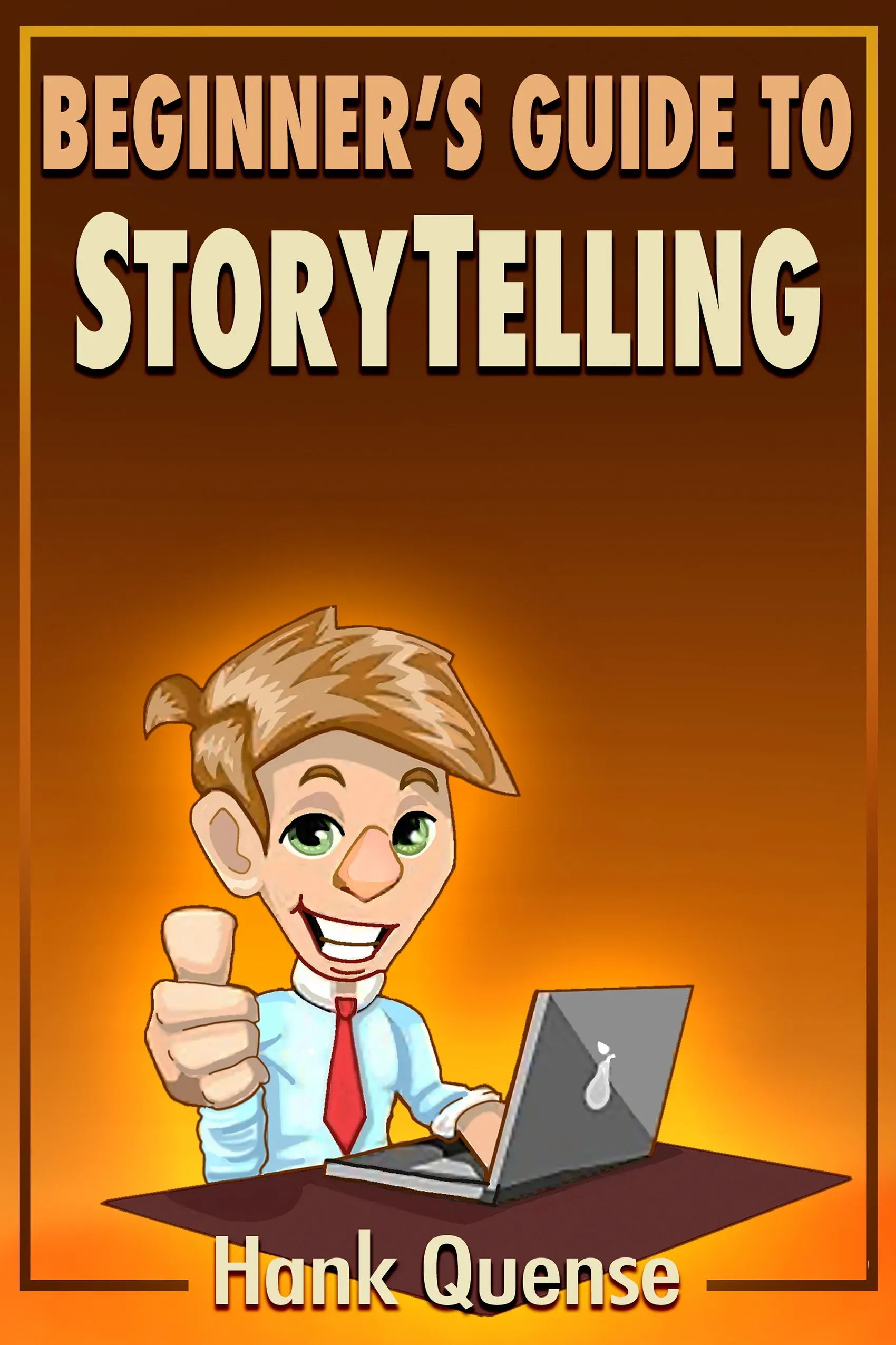
Not matter how good your ideas, characters, plot, etc. are, if your storytelling can't hold the readers; interest, the story is a failure.
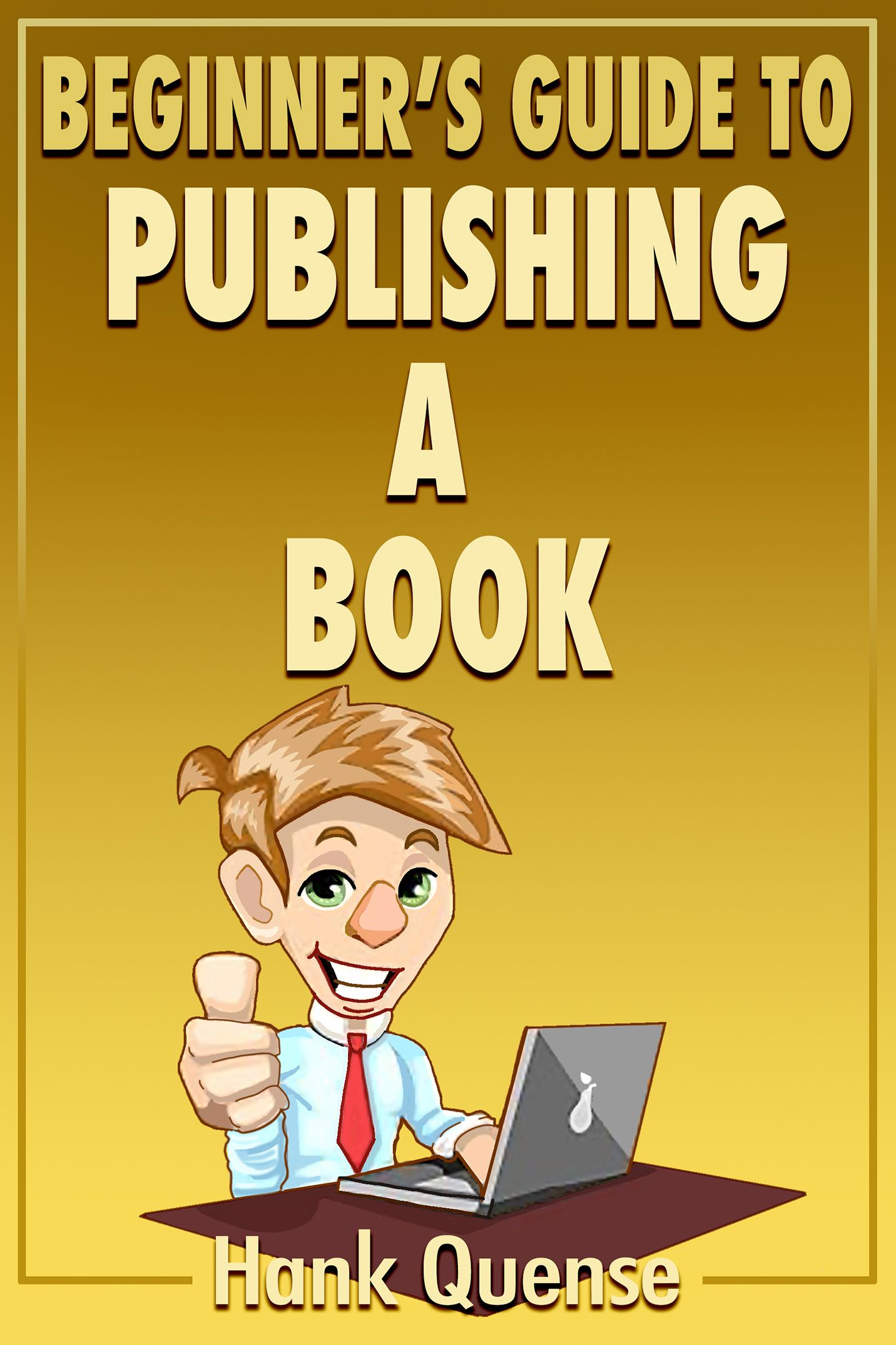
A plain-language tour of agents, publishers, self‑publishing, hybrid and vanity presses, packagers, ISBNs, and all the wonderful ways first-time authors can be separated from their money if they’re not careful.
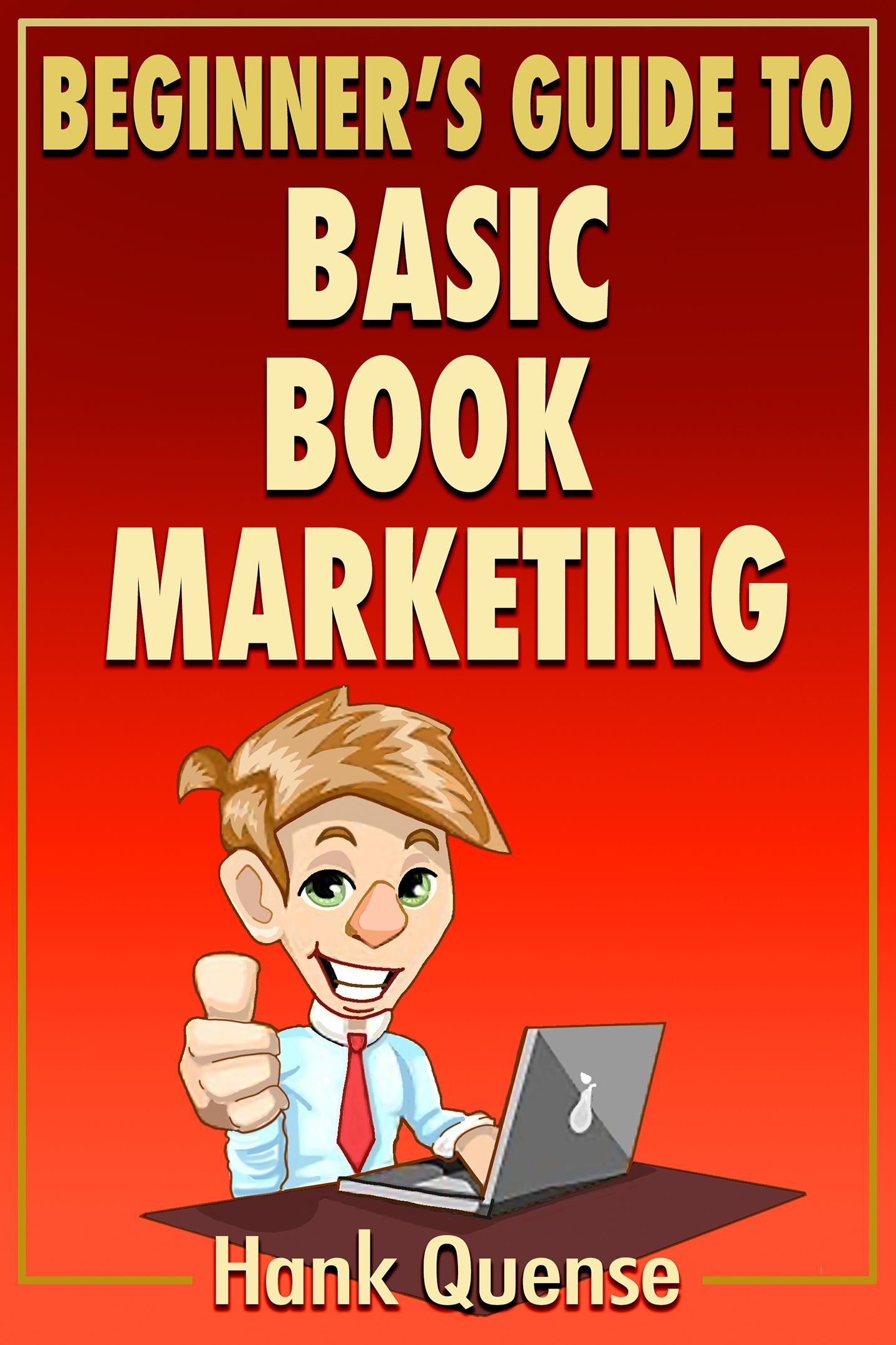
A realistic (and mildly skeptical) look at marketing, landing pages, blurbs, keywords, author platforms, and why social media is great at burning your time and money but terrible at selling a badly set-up book.
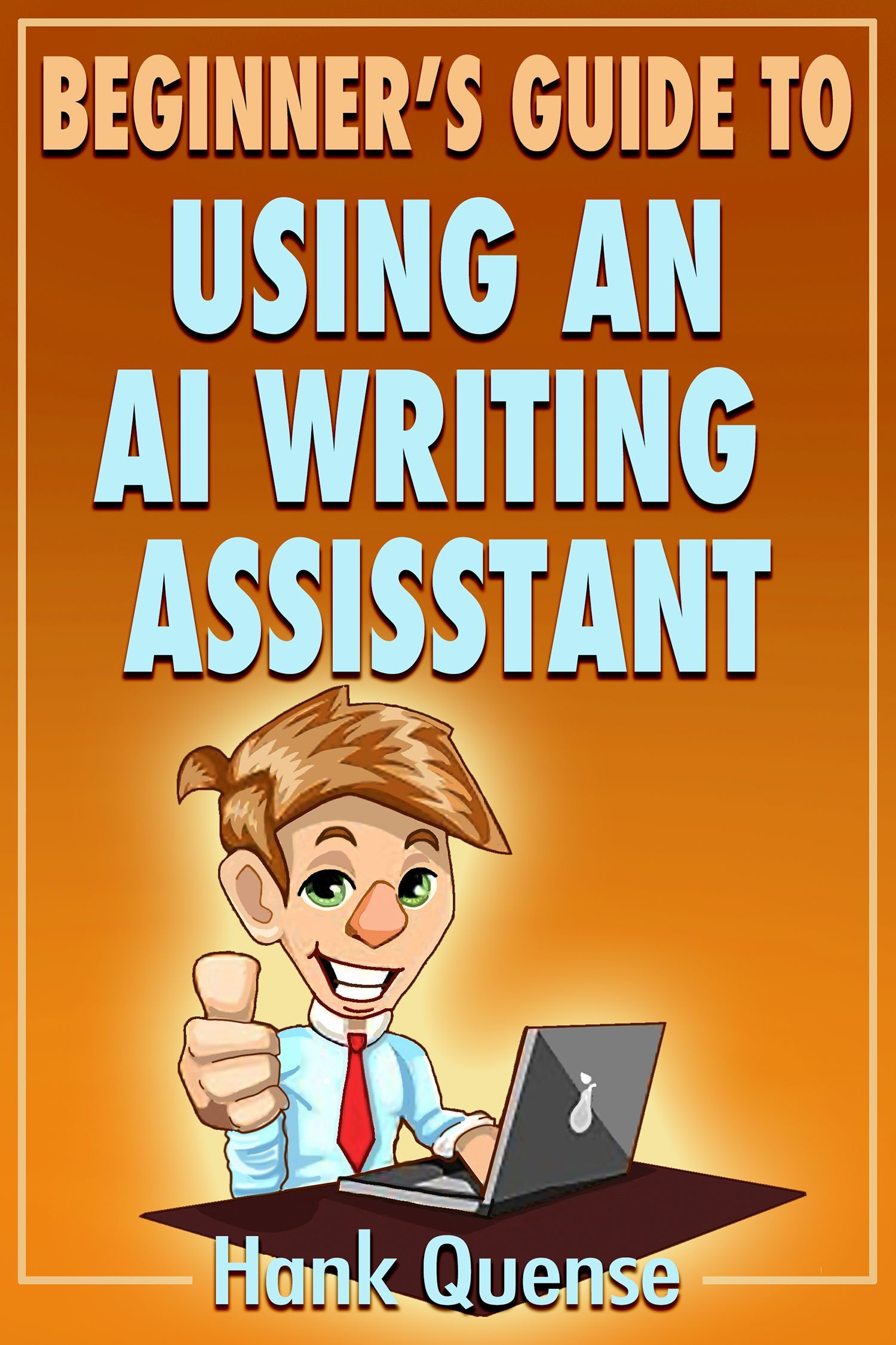
You may not know it yet, but you really do need a writing assistnat. This book shows how to use this assistant across all five phases of creating a book: planning, Writing, publishing, marketing and business.
Mind-mapping a novel allows the author to control the first draft and ensure consistency. In other words, mind-mapping provides a better way to write that pesky first draft.
Once your book is published, you own a business. The purpose of the business is to market the book. And that has implications!
Under development
Every productivity app promises to organize your life — unless you're a "messy thinker" whose ideas refuse to stay in their lane. After burning out on Notion, Monday, and every all-in-one system in between, author Hank Quense gave up looking for one app to impose order and built a small, mismatched toolkit instead. This Beginner's Guide shows the six tools he actually uses, the eight-step workflow behind them, and two real projects — one that worked, one that didn't.
You’ve got a story idea.
What you don’t have is the patience for 400-page theory tomes, contradictory advice, or social-media “hacks” that sell exactly zero books.
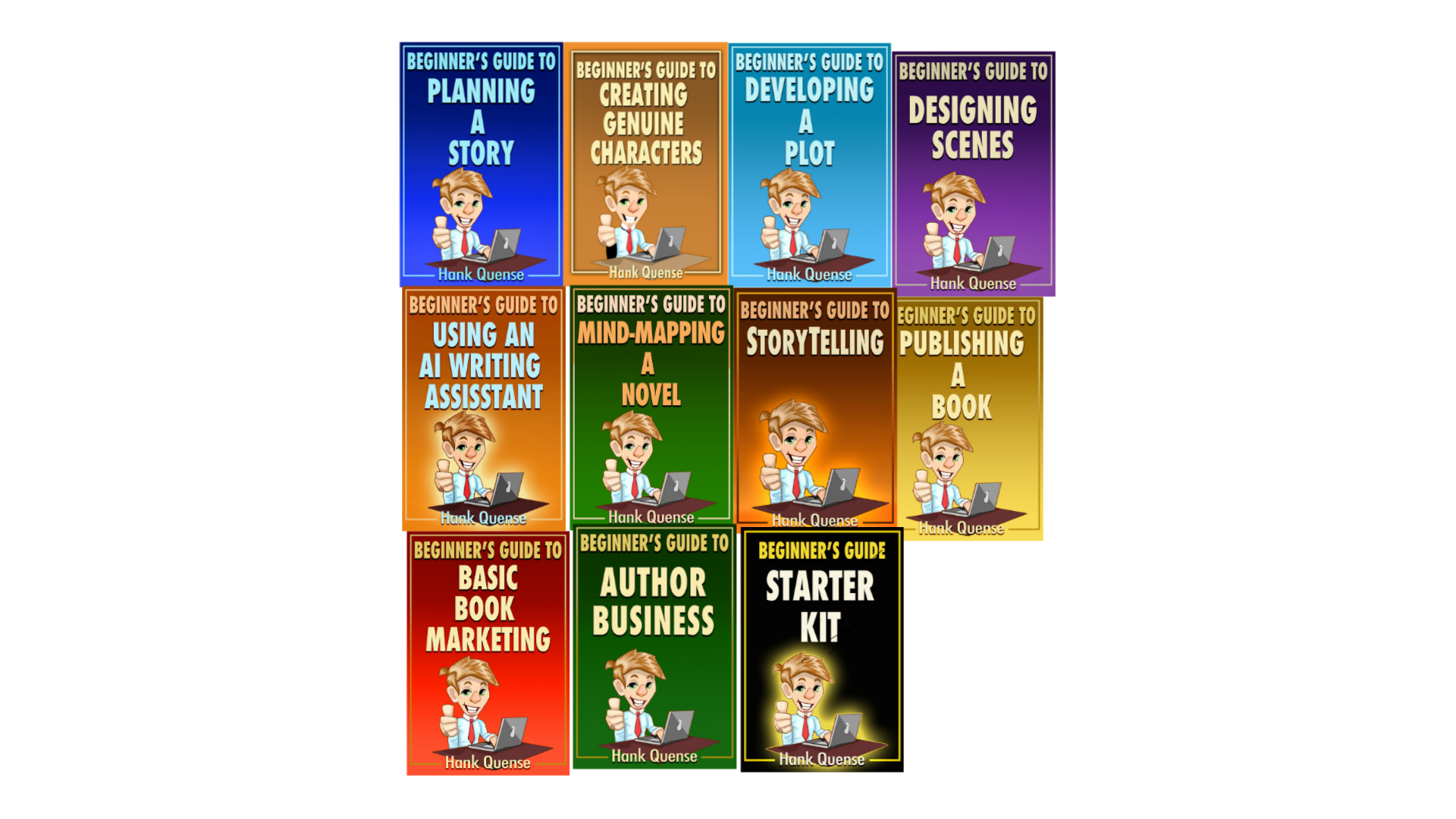
The Beginner’s Guides Series gives you compact, practical ebooks, each focused on one job:
- Planning a story
- Creating genuine characters
- Developing a plot
- Designing scenes
- *Mind-mapping a novel
- *Using an AI writing assistant
- Storytelling
- Publishing (without getting screwed)
- Basic book marketing
- *Author business
(Note: * indicates the title is not yet available).
You get checklists, diagrams, worksheets, and targeted AI prompts that help with the donkey work while you keep control of the actual writing. No magic. No miracles. Just a process that works.
What’s Inside the Series
Each guide tackles one problem and actually stays on topic:
Beginner’s Guide to Planning a Story
How to turn a vague “I should write a book” into a real plan, from story idea and characters through ending, with diagrams and examples that show you where AI can help and where it absolutely shouldn’t touch your story.
Beginner’s Guide to Creating Genuine Characters
Character worksheets, AI query examples, and real-world guidance so your cast has goals, flaws, arcs, and backstories—rather than all sounding like the same cardboard hero with a different hair color.
Beginner’s Guide to Developing a Plot
How to go from “cool premise” to a complete plot path: plot problem, ending, and the chain of events in between, so you stop stalling in the middle and calling it “writer’s block.”
Beginner’s Guide to Designing Scenes
Scenes, not word counts, are the real building blocks; this guide shows you how to give every scene a goal, emotional change, and purpose, so you don’t end up with 60 pages where nothing happens.
Beginner's Guide to Storytelling
Not matter how good your ideas, characters, plot, etc. are, if your storytelling can't hold the readers; interest, the story is a failure.
Beginner’s Guide to Publishing a Book
(and Not Getting Screwed)
A plain-language tour of agents, publishers, self‑publishing, hybrid and vanity presses, packagers, ISBNs, and all the wonderful ways first-time authors can be separated from their money if they’re not careful.
Beginner’s Guide to Basic Book Marketing
A realistic (and mildly skeptical) look at marketing, landing pages, blurbs, keywords, author platforms, and why social media is great at burning your time and money but terrible at selling a badly set-up book.